

Engineering Surveying Services Across the UK
Engineering surveying provides the control, precision and positional accuracy required to deliver construction and infrastructure projects correctly.
While a topographical survey records existing site features, engineering surveying focuses on transferring design intent onto site and verifying that works are built exactly where they should be.
On active construction projects in the UK, small positional errors can escalate into major structural issues. Engineering, monitoring and setting out surveys establish reliable site control, align works with approved drawings and maintain compliance with defined tolerances.
Whether you are constructing commercial buildings, industrial facilities, infrastructure or rail works in the UK, accurate engineering surveying ensures your project progresses with clarity and confidence.If you are planning refurbishment, redesign, fit-out, change of use, maintenance, or compliance-led works in the UK, an existing building survey helps remove uncertainty and reduces the risk of design clashes later on. As a measured survey company supporting projects across the UK, 3D Metrology Solutions provides building measurement survey data that can be used for planning, design development, and construction coordination. A professional measured building survey gives you clarity on what is actually on site, rather than what you assume is there.
Setting Out - Transferring Design to Site
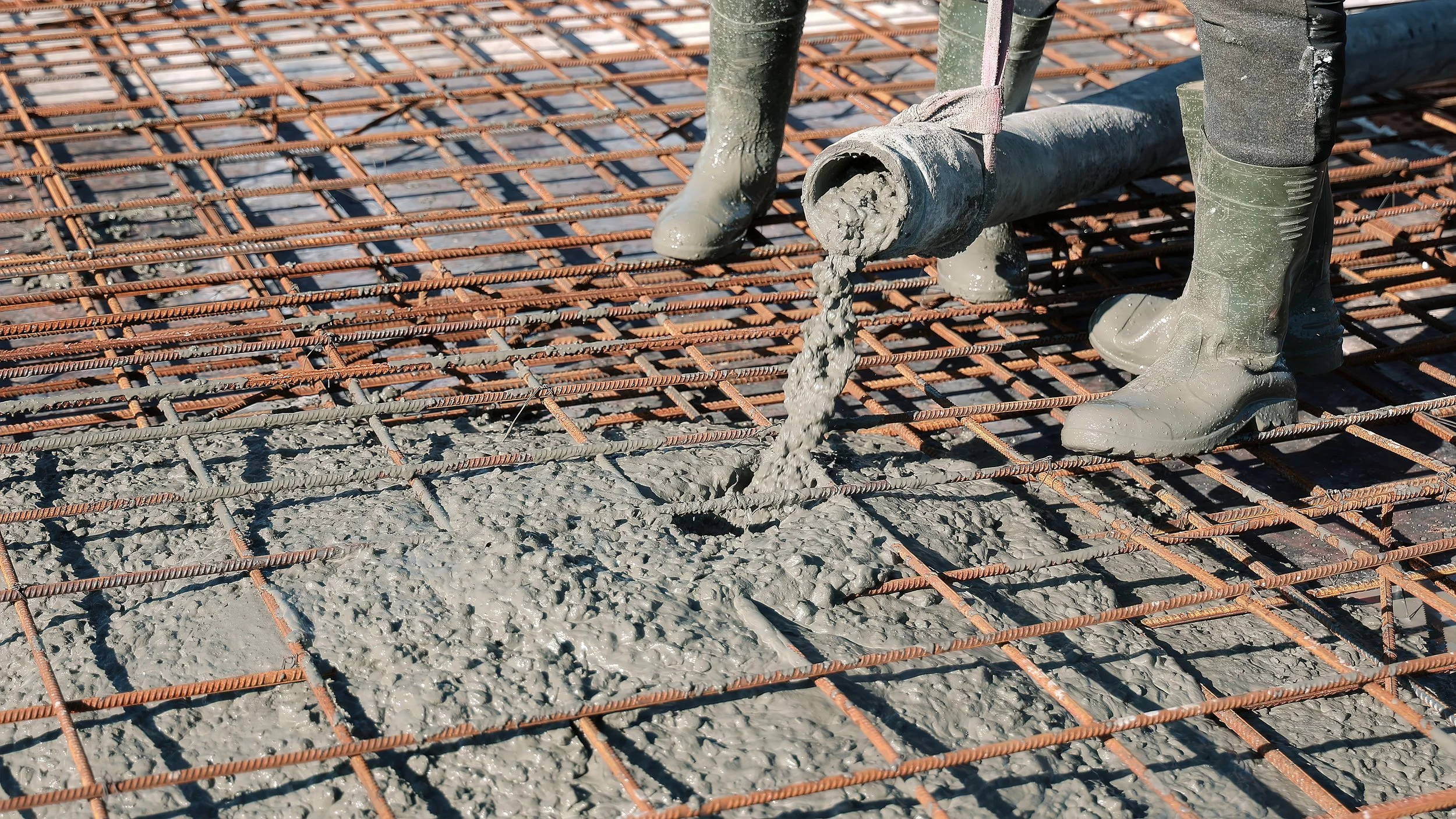
Setting out is the process of transferring design coordinates from engineer or architect drawings directly onto the ground. It ensures structures are constructed in the correct position, at the correct level and within specified tolerances.
Typical elements that can be set out include:
Building footprints: Accurately defining structural extents prior to excavation.
Foundations and pile positions: Precise placement to align with structural calculations.
Steel frame grids: Establishing gridlines for frame erection.
Drainage runs and manholes: Positioning underground services to match design intent.
Roads and kerb lines: Aligning infrastructure works to approved layouts.
Columns and structural elements: Ensuring load-bearing components are correctly located.
Datum levels and benchmarks: Providing consistent vertical control across the site.
Accurate setting out prevents costly construction errors, avoids rework and delays, and supports compliance with engineering specifications. In the UK construction environment, maintaining positional accuracy protects programme certainty and contractor reputation.
Monitoring - Protecting Structures and Managing Risk
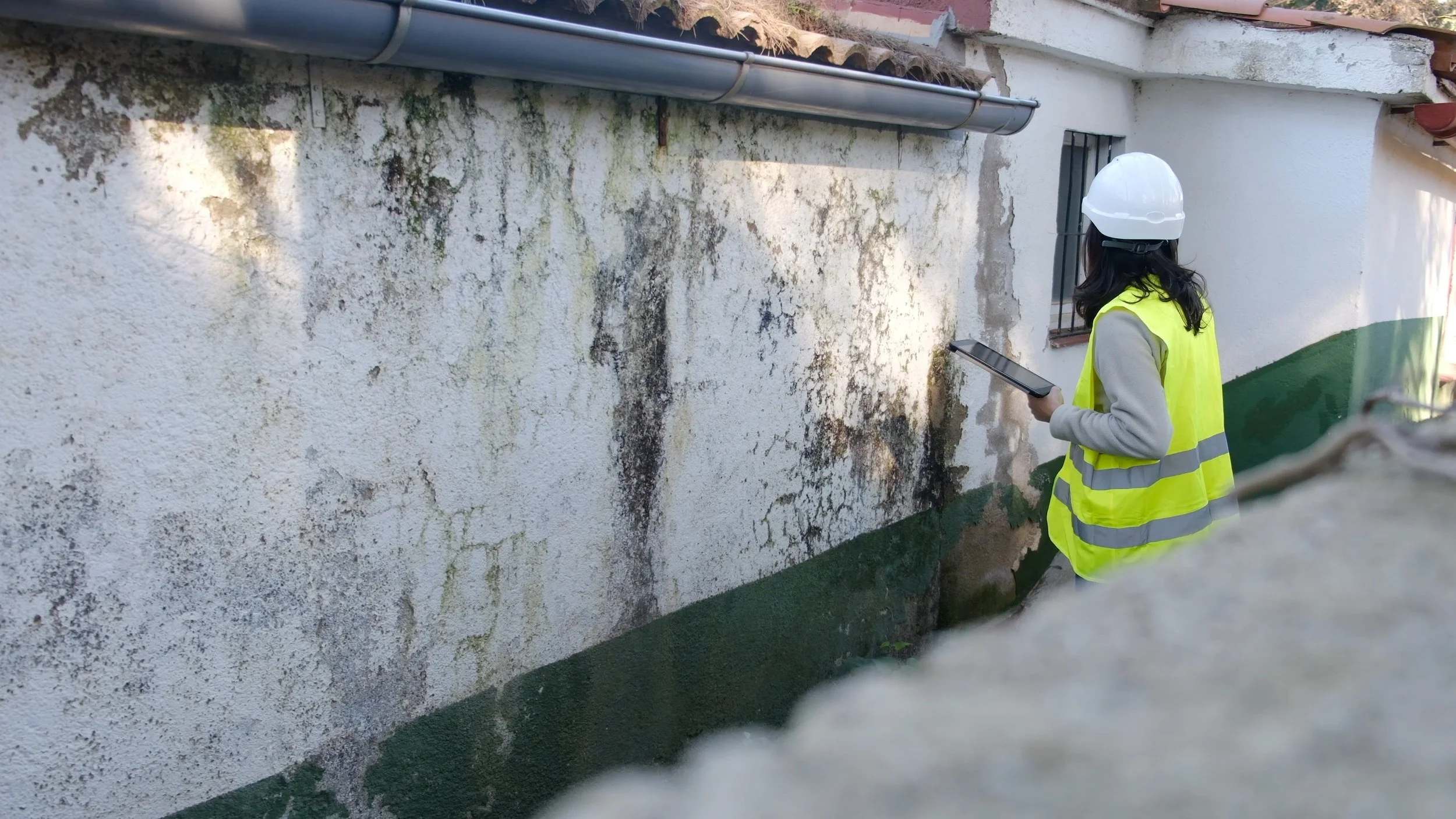
Monitoring forms a critical part of engineering surveying. It involves measuring movement, settlement or deformation over time to understand how structures and ground conditions respond to works.
Monitoring programmes typically include:
Structural movement monitoring: Tracking displacement in buildings or infrastructure.
Crack monitoring: Recording crack width changes in masonry or concrete.
Settlement monitoring: Measuring vertical movement in ground or foundations.
Façade monitoring: Observing external wall behaviour during adjacent works.
Retaining wall monitoring: Assessing performance under load or excavation.
Excavation and basement monitoring: Managing risk during deep construction.
Rail or infrastructure monitoring (if applicable): Maintaining safe tolerances near operational assets.
Establishing baseline control and undertaking regular repeat measurements provides defensible records and early warning of potential issues. This approach helps protect adjacent properties, supports compliance with party wall agreements and reduces structural risk on projects throughout the UK.
Control Surveys, Technology and Accuracy
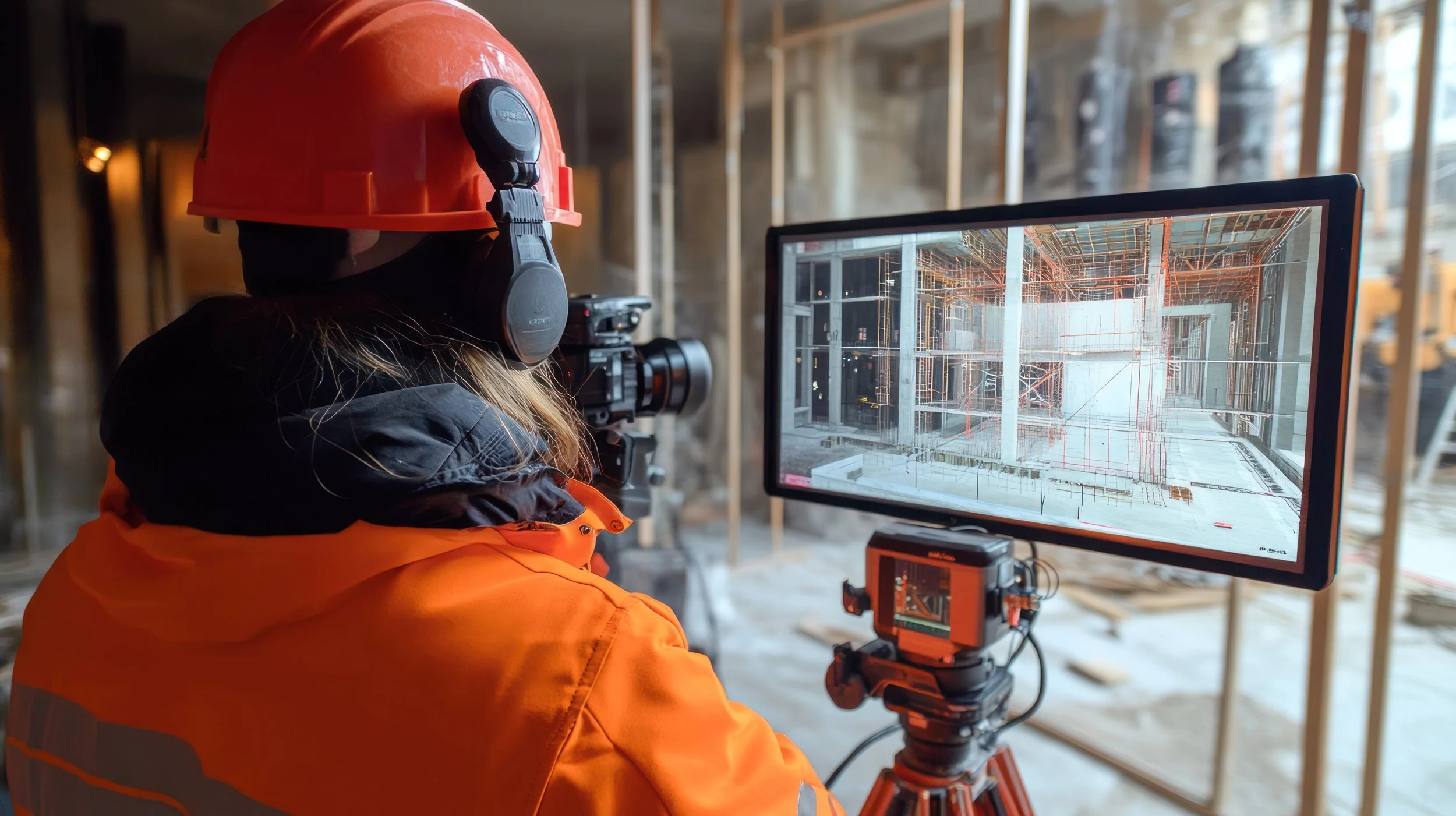
Robust control surveys underpin all engineering surveying works. This includes establishment of primary and secondary control, grid establishment, site calibration and the creation of site-wide coordinate systems.
Modern equipment such as robotic total stations, GNSS/GPS systems, digital levels and, where required, laser scanners are used to achieve defined tolerances. Monitoring prisms, sensors and data collectors support ongoing measurement and reporting.
All works are carried out in line with construction phase plans and relevant engineering specifications. Calibration of equipment and structured QA procedures ensure reliable outputs suitable for integration with BIM models and machine control systems.
If you require engineering surveying, monitoring or setting out services in the UK, speak with our team to discuss your project scope and accuracy requirements.